If you’ve ever seen the word THOT online and thought, “Wait… what does this actually mean?”—you’re in the right place.
I remember searching for it myself and finding confusing or judgmental explanations.
That’s why I decided to break down thot meaning slang in a clear, honest, and easy way.
In this article, I’ll explain it just like a friend would, using real examples and context.
We’ll also look at how it fits into today’s cool meaning slang culture, how people really use it online, and why understanding cool meaning slang matters more than you think.
By the end, you’ll feel confident, informed, and finally clear about thot meaning slang—no confusion, no stress, just straight answers 😊
1. What Does THOT Mean in Text?

The slang THOT is an acronym for “That Hoe Over There.” It started in online communities and became popular through memes, music lyrics, and social media comments.
In simple words, thot is used to describe someone who is showing off too much, acting attention-seeking, or behaving in a way others judge negatively. It’s usually not a compliment and can sound rude or disrespectful.
Example sentence:
“people in the comments started calling her a thot for no reason.”
In short:
THOT = That Hoe Over There = a negative or mocking label
2. Where Is THOT Commonly Used? 📱

You’ll mostly see thot in informal, online spaces. It’s rarely used in serious or respectful conversations.
Common places:
- 📸 Instagram comments
- 🎵 TikTok videos
- 💬 Texting between friends
- 🕹️ Gaming chats
- 😂 Memes & joke pages
Tone & Style:
- ❌ Not formal
- ❌ Not polite
- ✅ Casual & internet slang
- ⚠️ Can be offensive depending on context
It’s best understood as social-media–friendly slang, not everyday respectful language.
3. Examples of THOT in Conversation 💬
1:
A: “why are people so toxic online?”
B: “they just throw words like thot without thinking 🙄”
2:
A: “check the comments on that reel”
B: “wow… they’re calling her a thot 😬”
3:
A: “this app is wild”
B: “fr, everyone judging everyone like ‘thot this, thot that’”
4:
A: “why’s that word trending again?”
B: “memes brought thot back 💀”
5:
A: “internet slang is getting worse”
B: “yeah, thot is one of those words”
These examples show that people often talk about the word, not always use it directly.
4. When to Use and When Not to Use THOT 🕓
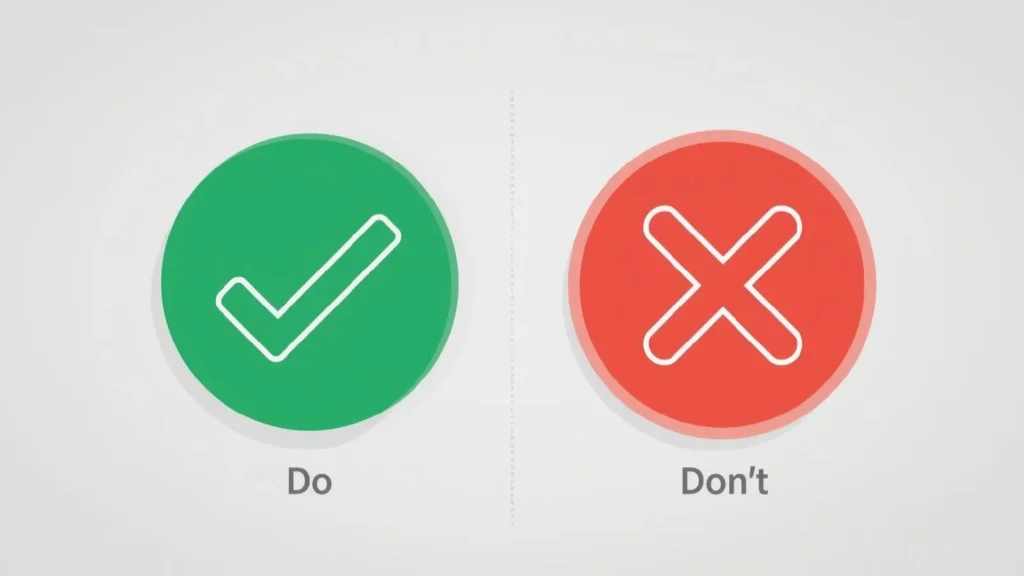
✅ When to Use
- Talking about slang words
- Explaining internet culture
- Joking carefully with close friends
- Meme discussions
❌ When Not to Use
- Formal conversations
- School or work chats
- Respectful discussions
- Talking to strangers
- Any situation where feelings could get hurt
Context Comparison Table
| Context | Example Phrase | Why It Works |
| Friend Chat | “people keep saying ‘thot’ online lol” | Discussing, not insulting |
| Meme Talk | “that meme made thot trend again 😂” | Cultural reference |
| Work Chat | “That comment was inappropriate.” | Professional tone |
| “Please keep discussions respectful.” | Clear & formal |
5. Similar Slang Words or Alternatives 🔄

| Slang | Meaning | When to Use |
| Simp | Someone trying too hard for attention | Casual jokes |
| Clout chaser | Person seeking fame | Social media talk |
| Pick-me | Someone seeking validation | Internet discussions |
| Extra | Over-the-top behavior | Friendly chats |
| Cringe | Embarrassing content | Casual reactions |
These words are less aggressive and often safer than using thot directly.
6. FAQs About THOT ❓
Q1. Is “thot” a bad word?
Yes, people often consider it offensive. Most of the time, it insults or judges someone.
Q2. Is “thot” used for boys or girls?
People mostly use it to describe girls online, which is why many criticize it.
Q3. Can “thot” be used as a joke?
Sometimes friends use it jokingly, but it can still hurt feelings if someone misunderstands.
Q4. Is “thot” used in real life?
Not really. You’ll rarely hear it in serious, face-to-face conversations.
Q5. Should I use “thot” in comments?
It’s safer to avoid it. Words online can easily get misinterpreted.
Conclusion
Understanding thot meaning slang helps you navigate internet culture without confusion. While it’s a popular term in memes and comments, it carries a negative tone and isn’t suitable for respectful conversations. Knowing what it means is useful—but using it carefully (or not at all) is even smarter. Slang comes and goes, but respect always stays relevant.

Alexei Ivanov is a fictional writer who works as an independent author and content creator. He writes novels, short stories, and creative articles, sharing his work through digital platforms and publications