Hey there! If you’ve ever been texting or scrolling online and stumbled across “tldr” and thought, Wait… what does that even mean?, you’re in the right place.
I’ve been there myself—trying to keep up with all the slang flying around and feeling a little lost.
In this article, I’m breaking down tldr meaning in a way that’s super easy to understand.
You’ll see when it’s used, why it’s popular, and even a few real-life examples.
Plus, we’ll touch on other casual lingo like cool meaning slang so you can totally keep up with conversations without feeling behind. Stick with me—I’ve learned a lot the fun way, and now I’m sharing it with you!
1. What Does TLDR Mean in Text? 🧠
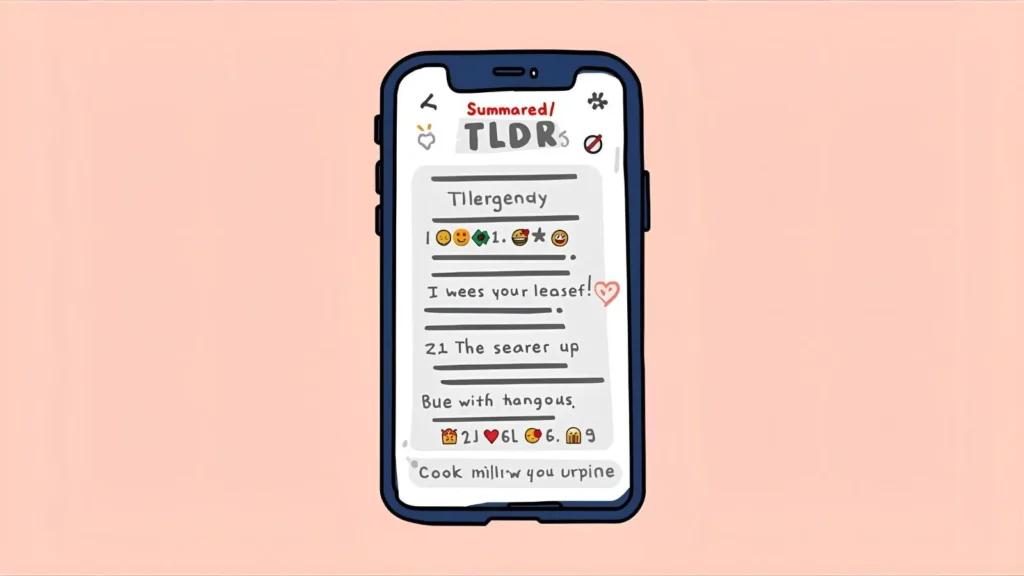
TLDR stands for “Too Long; Didn’t Read.” Basically, it’s used to summarize long messages, articles, or posts into a bite-sized version for those who don’t want to read the entire thing.
Example:
A friend sends you a 500-word story about their vacation. You reply:
“TLDR: You had fun at the beach 😎”
In short: TLDR = Too Long; Didn’t Read = A quick summary or way to say “this is long”
2. Where Is TLDR Commonly Used? 📱
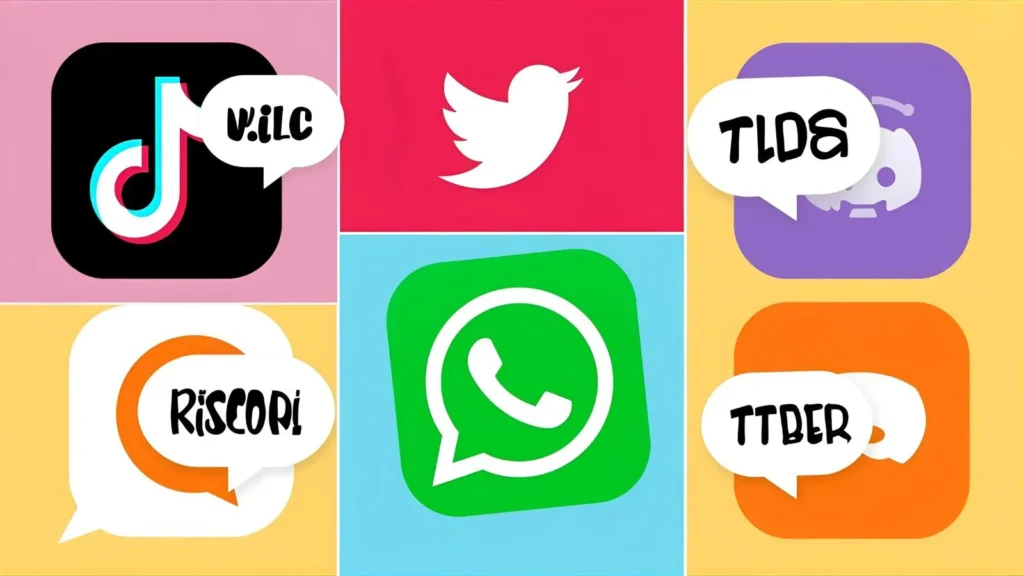
TLDR is widely used in informal chats and online spaces where people share long content. Here’s where you’ll see it most:
- 💬 Texting/WhatsApp – Summarizing messages
- 🐦 Twitter/X – Replying to long threads
- 🎮 Gaming chats/Discord – Quick updates without reading everything
- 📱 Reddit/TikTok/Instagram comments – Short recap or highlight
Tone: Casual, social-media friendly, sometimes playful
3. Examples of TLDR in Conversation 💬
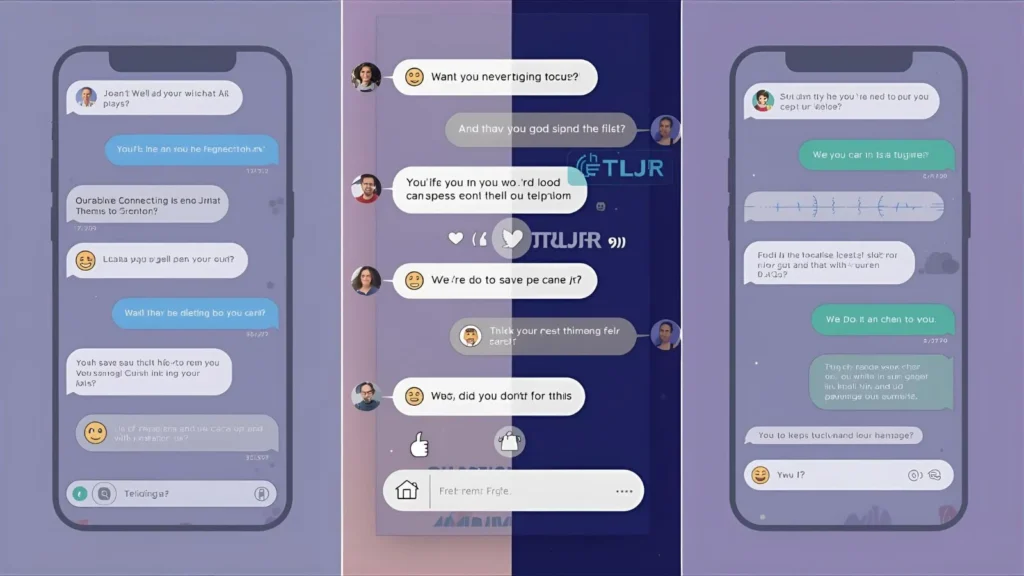
Here are some realistic examples of how TLDR pops up in chats:
A: “I wrote a whole essay about my trip to Japan, including the food, temples, and shopping…”
B: “TLDR: you loved Japan 😄”
A: “Here’s the long message about the game rules, character stats, and plot…”
B: “TLDR? Just tell me the main mission lol”
A: “I explained why we should start a study group, the schedule, and topics…”
B: “TLDR, when do we meet?”
A: “I vented about my day, the traffic, the meeting, and everything that went wrong…”
B: “TLDR: rough day 😢”
A: “Check out this long post about the new movie reviews and box office stats…”
B: “TLDR: movie is good or bad?”
A: “I typed the full instructions for the project…”
B: “TLDR: what do I actually need to do?”
4. When to Use and When Not to Use TLDR 🕓
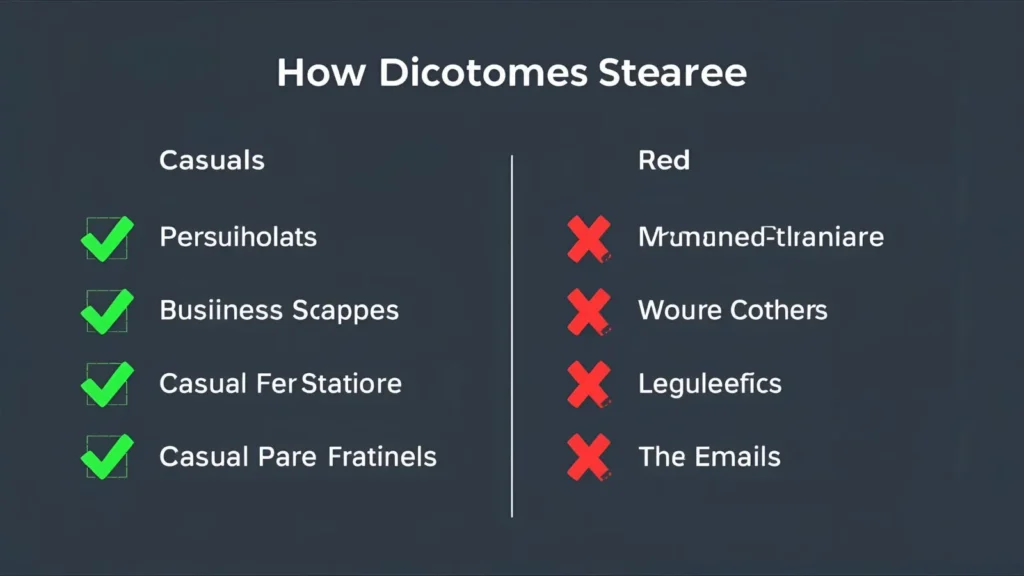
✅ When to Use:
- Friendly chats with friends
- Casual online comments
- Summarizing long messages or posts
- Playful teasing when someone writes a long text
❌ When Not to Use:
- Formal emails or work messages
- Urgent or serious situations
- Conversations with authority figures
- Legal, academic, or professional documents
Comparison Table:
| Context | Example Phrase | Why It Works |
| Friend Chat | “No rush, TLDR 😄” | Casual & friendly |
| Work Chat | “Take your time.” | Polite & professional |
| “Please take your time to review this.” | Formal & clear |
5. Similar Slang Words or Alternatives 🔄
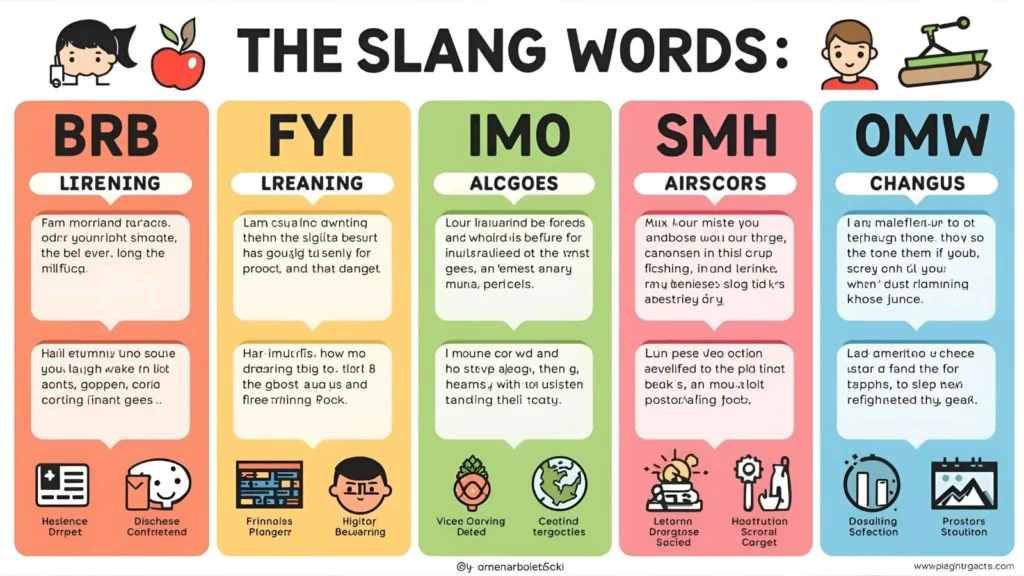
| Slang | Meaning | When to Use |
| BRB | Be Right Back | Quick pause in chat |
| FYI | For Your Information | Sharing info politely |
| IMO | In My Opinion | Giving personal opinion |
| SMH | Shaking My Head | Expressing disbelief/frustration |
| OMW | On My Way | Casual updates |
6. FAQs About TLDR ❓
Q1: Is TLDR rude?
A: Not usually. It’s casual and friendly if used with care. Adding a summary makes it polite.
Q2: Can I use TLDR in emails?
A: Avoid professional emails. Instead, write “Summary:” for clarity.
Q3: Is TLDR only for text messages?
A: No, it’s common on social media, forums, and comment sections too.
Q4: How do you pronounce TLDR?
A: People often say it as letters “T-L-D-R” or sometimes “tuh-luh-dur” jokingly.
Q5: Are there alternatives to TLDR?
A: Yes, you can use “Summary:” or “In short:” when you want to be slightly formal.
Conclusion
TLDR is one of those internet slangs that makes online communication fast, friendly, and fun. Whether you’re texting friends, commenting on Reddit, or replying to a long story, using TLDR shows you get the gist without reading every single word. Just remember to keep it casual and avoid professional or serious contexts!

Alexei Ivanov is a fictional writer who works as an independent author and content creator. He writes novels, short stories, and creative articles, sharing his work through digital platforms and publications