
Hey there! If you’ve ever been scrolling through texts or social media and stumbled upon “ops” and wondered, what does this even mean?, you’re not alone.
I’ve been there too, scratching my head, trying to figure out the ops slang meaning without getting lost in confusing explanations.
That’s why I decided to put together this guide for anyone curious about it.
By the end, you’ll know exactly what ops means, how to use it, and why it’s popping up everywhere.
Plus, I’ll sprinkle in some real-life examples from my own experience, so you’ll see it in action.
Let’s dive into the world of ops slang and understand it the way people actually use it!
1. What Does Ops Mean in Text?

In simple terms, ops is short for opponents. People usually use it when talking about someone they’re in competition with or someone who might be against them. It can be playful or serious depending on the context.
Example Sentence:
- “Watch out, those are my ops at the party tonight 😏”
In short: Ops = Opponents = Someone you’re competing with or a rival.
2. Where Is Ops Commonly Used?
Ops slang is widely used in online chats and social media platforms. Here’s where you’ll often see it:
- 🕹 Gaming Chats: Used in games like Fortnite, Call of Duty, and Roblox to refer to enemy players.
- 💬 Texting: Casual messages with friends.
- 📱 TikTok & Instagram: Trendy captions, comments, or memes.
- 😎 Snapchat: Short, fun snaps with friends.
Tone: Mostly casual, playful, and social-media-friendly. It’s not something you’d use in a professional email or formal chat.
3. Examples of Ops in Conversation
Here are some real, relatable chat examples:
A: “Did you see them at the mall?”
B: “Yeah, my ops were everywhere 😅”
A: “We need to beat the other team in Fortnite”
B: “No worries, we got this! Watch out for ops 👀”
A: “They’re trying to copy our style lol”
B: “Haha, let them. Ops gonna be ops 😏”
A: “He keeps messaging me, should I reply?”
B: “Ignore him, he’s just ops 🫣”
A: “The competition is tough this year”
B: “True, but ops can’t stop us 💪”
A: “Did you see who joined our lobby?”
B: “Yep, ops spotted 😎”
4. When to Use and When Not to Use Ops
✅ When to Use:
- Friendly, casual conversations
- Social media posts or comments
- Gaming chats
- Joking with friends
❌ When Not to Use:
- Formal messages or emails
- Work-related discussions
- Serious or sensitive situations
Comparison Table:
| Context | Example Phrase | Why It Works |
| Friend Chat | “No rush, ops 😄” | Casual & friendly |
| Work Chat | “Please handle this carefully.” | Polite & professional |
| “Kindly review the attached document.” | Formal & clear |
5. Similar Slang Words or Alternatives
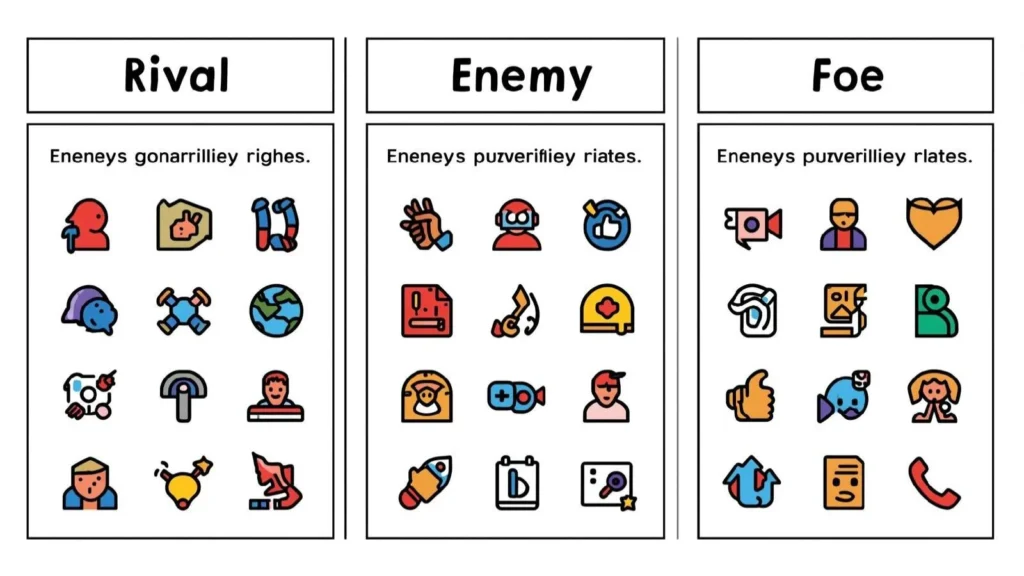
| Slang | Meaning | When to Use |
| Rival | Someone competing with you | Casual, friendly, gaming |
| Enemy | Opponent or adversary | Serious context |
| Foe | Opponent in general | Slightly formal or story-like |
| Competitor | Someone in competition | Professional or sports context |
| Threat | Someone posing a challenge | Casual or competitive tone |
FAQs About Ops
Q1: Is “ops” only used in gaming?
No, it’s popular in texting, social media, and gaming alike.
Q2: Can “ops” be used jokingly?
Yes! Many people use it playfully to refer to friends or rivals.
Q3: Is it formal?
Not at all. It’s casual slang and should not be used in professional settings.
Q4: Does it always mean enemies?
Usually, yes, but sometimes it’s just a fun way to refer to competition.
Conclusion
Now you don’t have to scratch your head the next time you see “ops” in a text or on TikTok. Remember: Ops = Opponents, and it’s a casual, friendly slang to point out rivals, competition, or just playful “enemies” in a conversation. Whether you’re texting friends, posting online, or gaming, you can confidently use it in the right casual context.

Jasper Williams is a versatile contributor who explores the intersection of culture and modern society. His writing focuses on thought-provoking analysis and storytelling, aimed at inspiring readers to view the world through a different lens. Jasper’s unique voice brings a fresh and creative energy to every piece he writes.