Ever been called a “clown” or “goofy” online and wondered if it was playful or low-key?
I’ve been there too—and that’s exactly why I wrote this. If you’re searching for the clown / goofy meaning, you’re in the right place.
Slang changes fast, and what sounds funny can carry a totally different vibe today.
In this guide, I’ll break it down in a simple, real way, just like I wish someone had done for me.
We’ll also look at how it fits into cool meaning slang, when it’s harmless, and when it’s not.
By the end, you’ll fully get this cool meaning of slang and know exactly how to use (or avoid) it with confidence.
1. What Does clown / goofy Mean in Text?

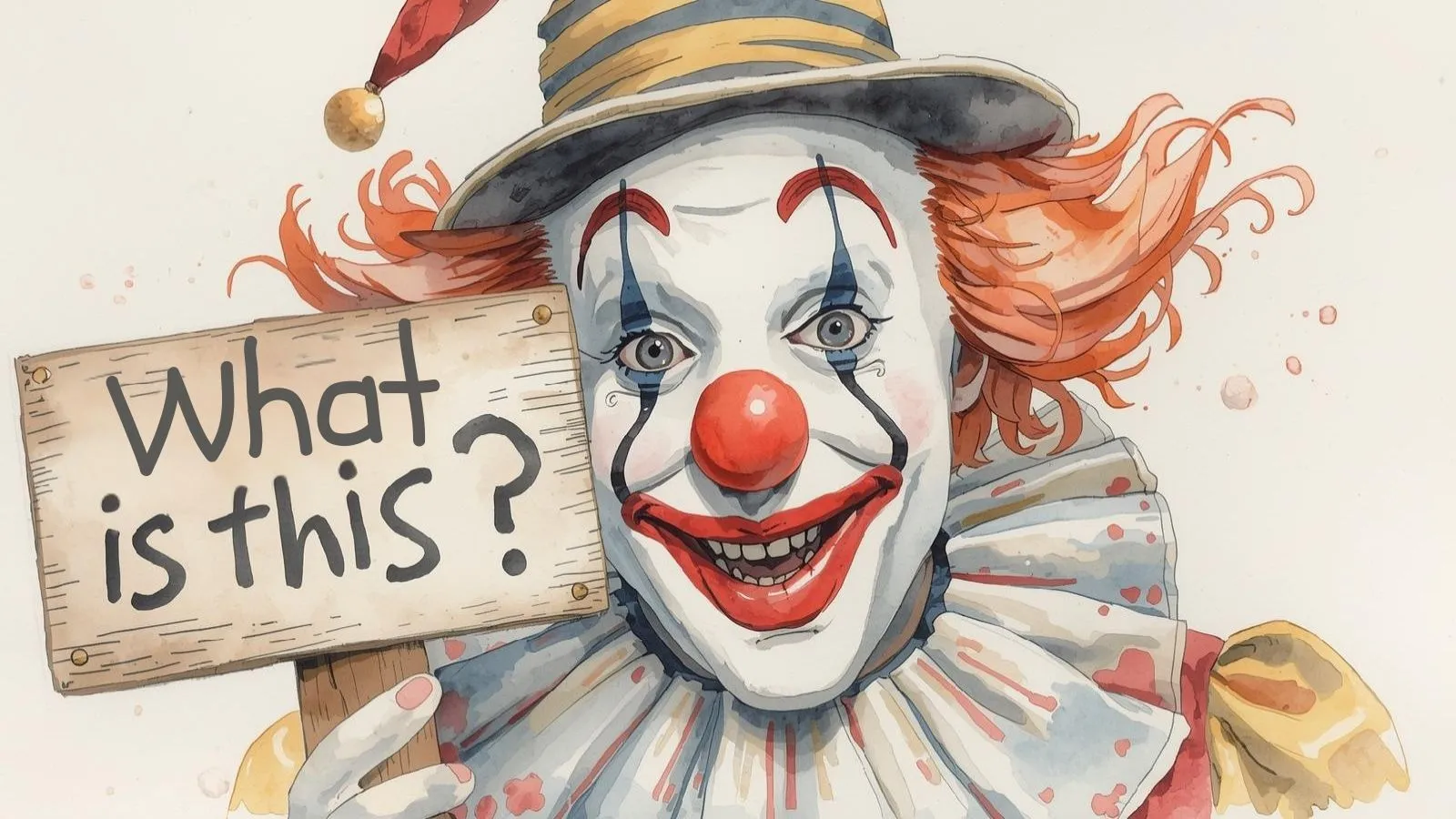
In texting and social media, clown and goofy don’t refer to actual circus clowns or costumes. They describe behavior.
- Clown: Often used when someone embarrasses themselves, jokes too much, or does something obviously silly.
- Goofy: More lighthearted—means playful, funny, or adorably weird.
Example:
“bro you wore slippers to school? you’re a clown 😂”
In short: clown / goofy = acting silly or unserious (usually jokingly).
2. Where Is clown / goofy Commonly Used?

You’ll see this slang all over casual online spaces, especially where people joke a lot.
📱 Common platforms:
- Snapchat stories & chats 👻
- TikTok comments 🎵
- Instagram DMs 📸
- WhatsApp & Messenger 💬
- Gaming chats & Discord 🎮
📝 Tone & style:
- Very casual
- Social-media–friendly
- Mostly not formal
- Can be teasing, playful, or sarcastic
You wouldn’t use clown or goofy in a professional email—but among friends, it’s everywhere.
3. Examples of clown / goofy in Conversation
Here are some real, natural-style chat examples you might actually see online:
1
A: “i tried cooking pasta and burned it 😭”
B: “nahhh you’re a clown 😂”
2
A: “why are you dancing alone?”
B: “idk i’m just being goofy 😄”
3
A: “he sent ‘hey’ five times”
B: “that’s clown behavior fr 🤡”
4
A: “i forgot my own birthday date”
B: “goofy ahh moment 💀”
5
A: “i wore mismatched socks all day”
B: “you’re goofy but i respect it 😌”
6
A: “i thought today was sunday”
B: “total clown move 😂”
4. When to Use and When Not to Use clown / goofy

Knowing when to use this slang matters—because tone can change everything.
✅ When to Use
- Joking with close friends
- Light teasing or playful roasting
- Casual chats and comments
- Funny or embarrassing moments
❌ When Not to Use
- Serious conversations
- Professional or work settings
- When someone is upset or emotional
- With people who may take it personally
Context Comparison Table
| Context | Example Phrase | Why It Works |
| Friend Chat | “you’re such a clown 😂” | Playful & friendly |
| Group Chat | “stop being goofy 😄” | Casual teasing |
| Work Chat | “Let’s stay focused.” | Professional & respectful |
| “Please review when possible.” | Clear and formal |
5. Similar Slang Words or Alternatives (Safe Version)
If you want the same vibe but slightly different tones, here are some alternatives:
| Slang | Meaning | When to Use |
|---|---|---|
| Silly | Light, playful foolishness | Friendly chats |
| Foolish (playful) | Teasing mistake | Close friends |
| Weird (fun way) | Odd but funny | Casual conversations |
| Jokester | Someone who jokes a lot | Compliment-style teasing |
| Clumsy | Awkward mistake | Mild, non-offensive moments |
Each option changes the tone slightly, so pick based on who you’re talking to.
FAQs About clown / goofy
Q1. Is calling someone a clown rude?
Not always. With friends, it’s usually a joke. With strangers, it can sound rude.
Q2. Is goofy nicer than clown?
Yes. Goofy is generally more friendly and less insulting than clown.
Q3. Can clown be flirty?
Sometimes! In playful flirting, teasing like “you’re a clown 😏” can feel fun—if both people are comfortable.
Q4. Is this slang used worldwide?
Yes, especially in English-speaking online spaces like TikTok and Instagram.
Q5. Can I use it in school or work chats?
Only with close classmates or friends. Avoid it with teachers or managers.
Conclusion
The slang clown / goofy is all about playful silliness. It’s a fun, casual way to call out funny behavior, embarrassing moments, or unserious vibes—mostly among friends. While clown can feel a bit sharper and goofy more friendly, both words live comfortably in social media, texts, and gaming chats. Just remember: tone and relationship matter. Use it jokingly, not hurtfully, and you’ll fit right into modern online conversations 🤡😄

Alexei Ivanov is a fictional writer who works as an independent author and content creator. He writes novels, short stories, and creative articles, sharing his work through digital platforms and publications